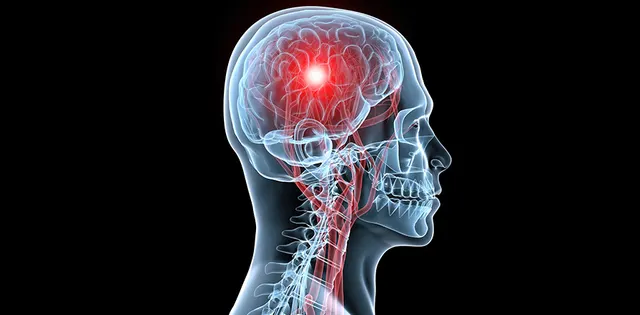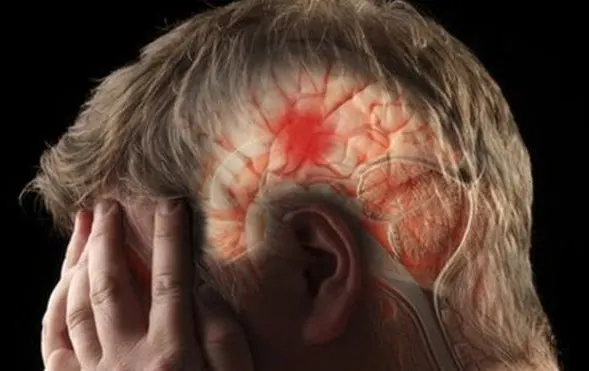
Strokes kill more than 130,000 Americans annually; do you know your facts? Stroke is the No. 5 cause of death and a leading cause of disability in the United States, according to the American Stroke Association. But despite the frequency of stroke, there are still many misconceptions surrounding it. May is American Stroke Month and the American Heart Association wants to help you separate fact from fiction.
Here’s the truth behind some of the most common stroke myths:
Stroke Myth: “I’m too young to worry about heart disease.”
Fact: How you live now affects your risk for cardiovascular diseases later in life. One in three Americans has cardiovascular disease, but not all of them are senior citizens. For Nicki James, her stroke happened when she was only 27 years old.
“The day I had my stroke was May 6, 2007, and I had just arrived at church that day,” said James. “All of a sudden, I started to feel heavy on my right side and I noticed I was sort of falling on the gentlemen next to me. My boyfriend had come in, he was talking to me, and I didn’t realize that I wasn’t speaking to him.”
For James, she had suffered an Ischemic Stroke caused by a misdiagnosed Congenital Heart Defect.
“I thought a stroke was something that happens to older people. I had no idea it could happen to a 27-year-old,” said James.
Strokes can happen in young people, including infants. Nearly a quarter of strokes occur in people younger than 65. Regardless of age, the warning signs of strokes are the same.
James, a Houston-based lawyer and mother of two, said that she had no clue she had suffered from a stroke until she realized she couldn’t sign her name on hospital paperwork. An active marathon runner, James said she had absolutely no risk factors, despite the misdiagnosed congenital heart defect. Now, she’s become an advocate for educating women on not ignoring the signs, and getting help when necessary.
While the risks do increase with age, things like overeating and an inactive lifestyle can cause plaque to accumulate and lead to clogged arteries later in life. But even if you lead a completely healthy lifestyle, being born with an underlying heart condition can be a risk factor.
Stroke Myth: “Strokes are typically difficult to recognize.”
Fact: A common acronym to identify signs and symptoms of a stroke is F.A.S.T or Face, Arm, Speech, Time to call 911. If a person is experiencing facial droop, if his or her arm or leg goes weak, if he or she has slurred or garbled speech, get that person to the emergency room as quickly as possible. Sometimes other symptoms appear, separately, or in combination with F.A.S.T. signs. These include sudden confusion, trouble speaking or understanding speech, sudden numbness or weakness on one side of the body, sudden trouble seeing in one or both eyes, sudden trouble walking, dizziness, loss of balance or coordination, or a sudden severe headache with no known cause. If someone shows any of these symptoms call emergency medical services immediately.
Stroke Myth: “The most common sign of a stroke is pain.”
Fact: The most common symptoms of stroke include sudden onset of numbness or weakness on one side, double vision, confusion, lack of coordination, and trouble understanding what someone is saying. If you experience any of these symptoms, call 911 immediately. You can have a stroke with no warning signs and no symptoms, other than the stroke itself. While some people experience transient ischemic attack (TIA) often referred to as a “mini stroke” others are caught completely off-guard.
This American Stroke Month the American Heart Association and its national Together to End Stroke partner, Medtronic, want you to know and understand the signs and symptoms of a stroke. Nearly 28 percent of Houston area deaths each year are attributed to cardiovascular disease. The American Heart Association aims to eliminate more myths about heart disease and stroke through education and events.
Upcoming Houston area events include Houston Go Red for Women Luncheon - Friday, May 12, 2017, Montgomery County Go Red for Women Luncheon - Friday, May 19, 2017, and Save a Life at Houston Museum of Natural Sciences – Saturday, June 3, 2017.
For more information and how to get involved in your community visit www.heart.org/houston.