
Texas Gov. Greg
Abbott Awards University of Houston $750,000 to Strengthen Nursing Education
Grant
will expand clinical training, simulation technology and faculty development as
Texas faces a projected shortage of more than 57,000 registered nurses by 2032
By
Satff
The University of Houston’s Andy & Barbara
Gessner College of Nursing has received a $750,000 grant through the Texas
Nursing Innovation Grant Program to expand nursing education and help address
the state’s growing shortage of registered nurses.
The
award is part of more than $5.6 million in grants announced by Texas
Gov. Greg Abbott to support innovative nursing education programs across
the state.
The
funding comes as Texas faces an increasing demand for nurses. State data and
projections from the Texas Hospital Association indicate the state could face a
shortage of more than 57,000 registered nurses by 2032.
University
officials said the two-year grant will strengthen clinical learning
opportunities, invest in advanced simulation technology and expand faculty
expertise to better prepare students for today’s rapidly changing health care
environment.
Raji
Pillai, assistant professor at the Gessner College of Nursing, said the funding
represents an important investment in the future of Texas’ health care
workforce.
“The
nursing shortage is a critical issue across our state, causing burnout and
dissatisfaction among the existing workforce. Receiving this grant from
Governor Abbott is a significant investment in both our students and the future
of health care in Texas.” Raji Pillai, assistant professor at Gessner College of Nursing:
Pillai
said the college plans to use the funding to expand clinical learning
environments, acquire new simulation technology and provide training for both
newly hired and current faculty members. “We plan to use these resources to
expand our clinical learning environments, acquire new simulation technology,
and train both newly hired and existing faculty on the most advanced
technologies for clinical practice, ensuring our students enter the workforce
practice-ready from day one.”
The
Gessner College of Nursing serves students throughout the Houston region,
including through instructional sites in Sugar Land and Katy. Students receive
advanced training from faculty and gain clinical experience at hospitals and
health care facilities across the Houston area.
According
to the university, approximately 95% of UH bachelor’s degree nursing students
and 100% of master’s degree nursing students from the Class of 2024 secured
employment after graduation. The university also reported that 98% of those
graduates accepted positions within Texas.
Kathryn
Tart, dean of the Gessner College of Nursing, said the grant arrives at a
critical time for the state’s health care workforce. “This investment comes at
a critical time as Texas works to meet the growing demand for highly skilled
nurses. At UH, we are committed to preparing nurses who are ready to step into
the workforce and make an immediate difference for patients and communities.
This grant will help us expand opportunities for our students while
strengthening the nursing pipeline Texas needs for the future.
The
grant will support three primary areas: expanding clinical learning
environments, investing in advanced simulation technology and strengthening
faculty expertise.
New
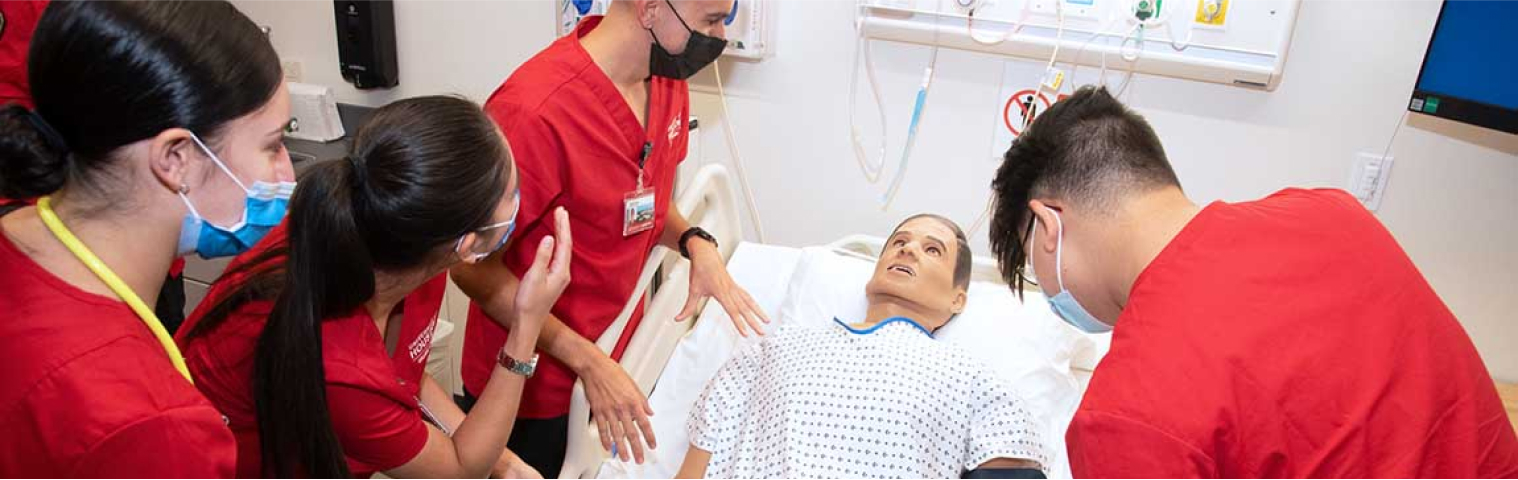
simulation technology will allow nursing students to practice clinical
decision-making and patient care in realistic, controlled settings before
entering clinical environments. The funding will also support faculty
development and help create an interdisciplinary learning environment designed
to advance research and translate new discoveries into improved patient
outcomes.
The
investment also supports UH Health, the University of Houston’s integrated
academic health enterprise, which connects education, research, innovation and
community impact to address pressing health care challenges.
As
hospitals and health systems across Texas continue to face staffing pressures,
the University of Houston’s investment in nursing education is aimed at helping
produce more practice-ready graduates and strengthening the state’s health care
workforce for years to come.