The American Heart Association (AHA) wants people to understand the importance of healthy lifestyle choices and how it can directly affect their heart health. Are you one of the approximately 80 million people in the United States who has high blood pressure? Do you have a family history of it? Known also as the silent killer or hypertension, high blood pressure typically has no symptoms but can lead to deadly health consequences such as heart attack, stroke and kidney failure. Some populations are more at risk of developing hypertension than others. Despite how widespread it is and damaging it can be, high blood pressure is still unknown, misunderstood or ignored by many people.
High blood pressure, also known as HBP or hypertension, is a widely misunderstood medical condition. Some people think that those with hypertension are tense, nervous or hyperactive, but hypertension has nothing to do with personality traits. The truth is, you can be a calm, relaxed person and still have HBP.
Did you know?
High Blood pressure is a universal risk factor for heart disease and stroke, the leading cause of death and disability in the United States. About 80 million Americans over age 20, 1 in 3 adults, have it, and many don’t even know they have it. Not treating high blood pressure is dangerous. High blood pressure increases the risk of heart attack and stroke. You can live a healthier life if you treat and manage it!
Let's look at the facts about blood pressure so you can better understand how your body works and why it is smart to start protecting yourself now, no matter what your blood pressure numbers are.
By keeping your blood pressure in the healthy range, you are:
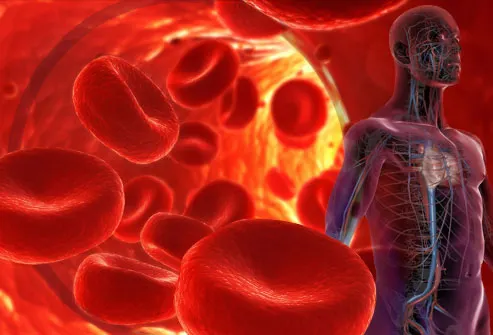
· Reducing your risk of the walls of your blood vessels walls becoming overstretched and injured
· Reducing your risk of having a heart attack or stroke; and of developing heart failure, kidney failure and peripheral vascular disease.
· Protecting your entire body so that your tissue receives regular supplies of blood that is rich in the oxygen it needs
High blood pressure is a major risk factor for heart attack, stroke, heart failure and kidney failure. The longer it's left untreated, the more serious its complications can become. But there is also a clear pathway to help you manage high blood pressure and enjoy the many benefits of a healthy heart.
How can I tell I have it?
You usually can’t tell! Many people have it and don’t know it. The only way to know if your blood pressure is high is to get it checked regularly by your doctor.
What can I do about it?
• Reach and maintain a healthy weight.
• Eat healthy meals low in saturated fat, trans fat, sodium (salt) and added sugars.
• Limit alcohol to no more than one drink per day for women or two drinks a day for men.
• Be more physically active. If you have high blood pressure, aim for at least 40 minutes of moderate-intensity physical activity at least 3 to 4 times a week.
• Take medicine the way your doctor tells you.
• Know what your blood pressure should be and work to keep it at that level.
Prevent and treat: start living a heart-healthier life now!
Even though high blood pressure is serious, your choices will make a big difference in your quality of life. Take charge of your life today.
In an effort to encourage more people to take control of their heart health, AHA has created a Hypertension Management program called Check. Change. Control. This program is available through the AHA’s online health tracker www.Heart360.org. This is a free program available to help individuals take ownership of their cardiovascular health by combining health tracking and health information in an easily accessible format.
Check. Change. Control. incorporates the concepts of remote monitoring, mentoring, and online tracking as key features to improve outcomes in hypertension management, physical activity, and weight reduction.
One of the most exciting things about Check. Change. Control. is that it is evidence-based and built on research that has proven results in helping individuals manage and improve results for risk factors that are part of Life’s Simple 7 which are:
1. Manage Blood Pressure
2. Control Cholesterol
3. Reduce Blood Sugar
4. Get Active
5. Eat Better
6. Lose Weight
7. Stop Smoking
These are THE seven most important things you can do to live a healthy life free from cardiovascular disease and stroke. The great thing about Life’s Simple 7 is it’s free, easy and while it is seemingly simple, it can greatly impact your overall health. Check. Change. Control. makes it easier for individuals to manage their own health by taking the steps needed to gain control of their heart health. By combining the components of remote monitoring and health mentoring, we can create environments that will truly motivate people to follow the Life’s Simple 7 to living a longer, healthier life.
The American Heart Association has great resources available online that can provide more information on health and wellness, risk factors of heart disease, stroke, and more at www.heart.org. To sign up for Check.Change.Control., please visit www.heart360.org.
Find out more about heart disease, stroke, risk factors and symptoms at www.heart.org. Be sure to join the conversation online on Instagram, Twitter and Facebook at @ahahouston #houstonheart.